

The Allure of Casino Entertainment
Casinos have long been viewed as places of excitement and glamour, attracting millions of visitors each year. The vibrant lights, captivating sounds, and the thrill of the game create a unique atmosphere that draws people in from all walks of life. This allure of entertainment, paired with the potential for significant winnings, positions casinos as popular venues for social gatherings, celebrations, and even corporate events. The promise of an adrenaline rush from spinning a roulette wheel or trying one’s luck at the payid online pokies adds to the overall experience, making it more than just a financial endeavor for many.
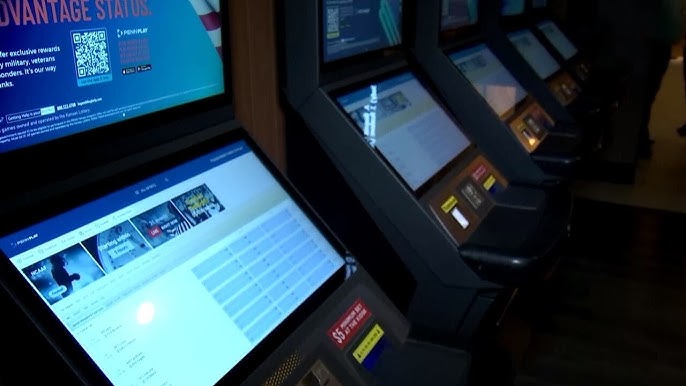
Moreover, casinos often offer a variety of entertainment options beyond gaming, including live shows, dining experiences, and exclusive events. This multifaceted entertainment approach not only enhances the appeal of the casino but also encourages individuals to view their visits as a comprehensive outing rather than merely a gambling session. Patrons may enjoy dinner with friends and then decide to play a few games afterward, creating a more rounded experience that encompasses both entertainment and social interaction.
However, while the entertainment factor is significant, it is crucial to recognize the line between enjoyment and overindulgence. Many individuals may find themselves spending more than they intended, drawn in by the captivating environment. The challenge lies in balancing the fun of casino entertainment with responsible gambling habits, ensuring that visitors leave with more than just memories of loss or regret.
The Financial Risks Associated with Gambling
While casinos offer thrilling entertainment, they also harbor financial risks that can affect individuals’ lives significantly. Many gamblers enter casinos with the hope of winning big, but the reality is that the house always has an edge. Statistics show that over time, most players will end up losing their money, often leading to a cycle of chasing losses that can spiral out of control. This phenomenon underscores the importance of understanding the odds and being aware of the potential for financial loss.
Additionally, the environment in casinos is designed to keep players engaged and spending money. From the layout of the gaming floor to the complementary drinks and amenities, everything is tailored to encourage longer visits and more spending. This can make it incredibly easy for individuals to lose track of their budgets and play beyond their means. The excitement of the games can cloud judgment, making it essential for players to set limits before stepping foot in a casino to avoid falling into a financial trap.
Furthermore, the risk of developing gambling addiction is a serious concern for many individuals. The thrill of winning, coupled with the emotional highs and lows of gambling, can lead to compulsive behavior. Many people find themselves unable to resist the urge to gamble, often resulting in financial ruin, strained relationships, and deteriorating mental health. Understanding these risks is crucial for anyone considering visiting a casino, as it is vital to recognize when entertainment has crossed into problematic territory.
Responsible Gambling Practices
In light of the financial risks associated with gambling, responsible gambling practices have become increasingly important. These practices encourage players to recognize their limits, stay within their budgets, and approach gambling as a form of entertainment rather than a source of income. Establishing clear boundaries before starting to play can help individuals maintain control over their gambling habits, reducing the likelihood of significant financial losses.
Another essential aspect of responsible gambling is educating oneself about the games being played. Understanding the rules, odds, and strategies of various games can empower players to make informed decisions and minimize losses. Many casinos provide resources and tools to assist players in managing their gambling, including self-exclusion options and informational materials about responsible gaming practices. By utilizing these resources, individuals can cultivate a healthier relationship with gambling.
Support networks, such as gambling helplines and counseling services, also play a vital role in promoting responsible gambling. Individuals who feel that their gambling is becoming problematic should not hesitate to seek help. Engaging in open conversations about gambling, whether with friends, family, or professionals, can reduce the stigma associated with seeking support and provide individuals with the tools they need to regain control over their gambling habits.
Casinos and Their Impact on Society
The presence of casinos can have a profound impact on local communities and economies. On one hand, they create jobs, increase tourism, and contribute to tax revenues that can fund essential public services. Many cities and towns have embraced casinos as a means of economic development, transforming regions into entertainment hubs that attract visitors from far and wide. This economic boost can be especially beneficial in areas struggling with unemployment and stagnation.
On the other hand, the proliferation of casinos can lead to negative social consequences, including increased crime rates and gambling-related issues within communities. The easy access to gambling can exacerbate problems for vulnerable populations, including those predisposed to addiction or irresponsible financial behavior. As a result, local governments and communities must weigh the economic benefits against the potential social costs when considering the expansion of casino operations.
Moreover, responsible regulation is crucial to mitigate the adverse effects associated with casinos. Ensuring that there are adequate support systems in place for individuals who may develop gambling problems is essential for balancing the positives of casino entertainment with the potential for negative societal impacts. Through careful consideration and regulation, it is possible for casinos to coexist with responsible community practices, creating an environment where both entertainment and safety can thrive.
Finding Balance in the Casino Experience
The debate about whether casinos are merely entertainment or a financial trap ultimately hinges on individual experiences and choices. While many people enjoy casinos for the thrill and excitement they offer, it is vital to approach gambling with a mindset grounded in awareness and responsibility. Striking the right balance between enjoying the casino environment and protecting one’s financial well-being can make all the difference in the overall experience.
Being informed about the risks and understanding one’s motivations for gambling can lead to a healthier relationship with casinos. Those who view gambling as a fun social activity, rather than a money-making venture, are generally more likely to remain within their limits and enjoy their time without significant financial repercussions. It is essential to prioritize enjoyment and entertainment over the unrealistic expectation of winning.
As individuals navigate the world of casinos, taking proactive steps to ensure responsible gambling will foster a more positive experience. By setting budgets, educating themselves about the games, and seeking support when needed, players can enjoy the entertainment that casinos offer while avoiding the financial traps that can accompany excessive gambling. Finding this balance is key to sustaining a rewarding and enjoyable casino experience.
