

The Definition of Luck in Gambling
Luck is often described as a chance occurrence that can lead to favorable or unfavorable outcomes. In the gambling world, it is generally viewed as a critical factor influencing a player’s success at games of chance. Unlike skill-based games where strategic planning may pay dividends, games such as slots, roulette, and dice games depend heavily on random number generation and probabilities, making luck a defining element. Many gamblers believe that fortuitous streaks can lead them to online casino fast withdrawal substantial winnings, emphasizing the role of luck in determining the outcome of their gaming experiences.
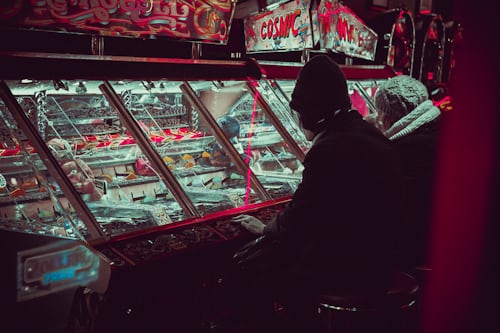
Casinos are designed to capitalize on the unpredictability of luck. The ambiance, the vibrant flashing lights, and the sounds of winning machines all contribute to an atmosphere infused with the possibility of sudden fortune. Players often engage in rituals or superstitions to summon luck, such as wearing lucky clothing or using specific tokens. While these practices may not influence the mathematical odds, the psychological effects can enhance the experience, making players feel more connected to the concept of luck and its potential impacts on their success.
In essence, luck is an intangible force that can significantly affect a gambler’s journey. It serves as the backdrop against which strategies are employed and decisions are made. Players often find themselves at the mercy of luck; a winning hand or a lucky spin can radically alter their financial fortunes. This inherent randomness inspires excitement and retains player interest, reinforcing the notion that luck plays a pivotal role in casino success.
The Role of Luck in Popular Casino Games
Certain games at casinos are renowned for their reliance on luck. Slot machines are the epitome of this concept, where players pull levers or press buttons with the hope of hitting a jackpot that could change their lives. Each spin is an independent event influenced solely by chance, as there is no skill involved in determining the outcome. The randomness of the reels dictates whether a player will experience a triumph or defeat, illustrating how luck can define the gaming experience.
Another game where luck dominates is roulette. Players place their bets on numbers or colors, awaiting the ball’s descent on the spinning wheel. The unpredictability of where the ball lands means that no amount of strategic betting can guarantee success—it all boils down to luck. The thrill of waiting for a lucky number to emerge draws players back time and again, emphasizing the significant role of chance in this exhilarating game.

Even card games like blackjack, which involve a degree of skill and strategy, cannot escape the influence of luck. While players can make decisions based on their hands and the dealer’s showing card, the cards themselves are drawn randomly. A string of favorable cards could lead to a winning streak, while a run of poor cards can lead to instant losses. This interplay of skill and luck makes these games appealing, as players may contribute to their success but ultimately rely on luck to deliver the big wins.
Psychology of Luck and Gambling Behavior
The psychology behind luck in gambling is complex and multifaceted. Gamblers often develop a belief in their ability to influence luck, leading to behaviors that can enhance their gaming experience. This belief can manifest in various forms, such as adopting rituals or even selecting specific times to play, as players strive to align themselves with favorable outcomes. This mindset can create a sense of control, even when the reality is that luck is a random force beyond their influence.
Moreover, the idea of luck can affect decision-making processes in gambling. Players may continue to chase losses, believing that luck will eventually shift in their favor. This phenomenon, often referred to as the “gambler’s fallacy,” can lead to risky behavior and significant financial losses. Gamblers may dismiss the odds and focus instead on their belief that luck is on their side, propelling them back to the tables or machines in search of that elusive winning moment.
The psychological effects of luck also extend to the emotional aspect of gambling. A lucky win can trigger a rush of excitement, reinforcing the belief that they can replicate these successes. Consequently, when luck is on a player’s side, it can lead to behaviors characterized by increased risk-taking, as players attempt to capitalize on what they perceive as a lucky streak. This interplay between luck and psychological influences creates a dynamic experience within the casino environment.
The Impact of Luck on Casino Revenue
Luck does not just influence players but also plays a significant role in casino revenue. The house edge is built on the premise that, over time, the odds will favor the casino, but luck can create significant fluctuations in short-term revenue. A single lucky player can cause a spike in earnings for a casino, demonstrating the powerful effects of random chance. This phenomenon illustrates the dual nature of luck in gambling—it can lead to delightful surprises for players while simultaneously benefiting casinos when luck ultimately aligns with the house advantage.
Certain money management strategies, such as progressive jackpot systems, are also shaped by the unpredictable nature of luck. When the jackpot is hit due to an unlikely turn of events, it can lead to significant media attention, increasing player interest and drawing others to the casino. Hence, luck not only shapes individual experiences but also influences broader marketing and operational strategies within the casino industry.
While casinos may rely on the statistical advantage provided by the house edge, the impact of luck creates an environment of uncertainty that keeps players coming back for more. The chance of hitting a massive jackpot or winning unexpectedly can lure in individuals seeking fortune, making luck an intrinsic part of the casino experience that fuels continual interest and engagement in gambling activities.
The Influence of Luck on Online Gambling Platforms
In recent years, the rise of online gambling has transformed how luck plays a role in casino success. Virtual platforms have integrated advanced algorithms and random number generators to ensure fairness, but the element of luck remains central. Players access games from the comfort of their homes, yet the thrill of anticipation remains as they await favorable results. The transition to online platforms highlights how luck retains its importance, albeit in a digital environment.
Moreover, online casinos often capitalize on the allure of luck through bonuses and promotions that accentuate the thrill of chance. Free spins, no-deposit bonuses, and loyalty rewards serve to entice new players while enhancing the element of luck in gaming experiences. Just as in traditional casinos, players can experience sudden strokes of luck that lead to unexpected wins, reinforcing their belief in the potential of favorable outcomes.
As competition within the online gambling sector increases, the emphasis on luck becomes critical for attracting players. Unique features, game variations, and progressive jackpots are marketed as opportunities for players to experience luck in their favor. The digital realm does not diminish the impact of luck; rather, it amplifies its presence, as websites leverage technology to create engaging experiences that revolve around chance and the pursuit of fortune.