

Understanding the Psychology of Bluffing
Bluffing in poker is not just about the cards you hold; it is fundamentally rooted in human psychology. A successful bluff hinges on understanding your opponents—what they perceive, how they react, and where their weaknesses lie. When you bluff, you aren’t just trying to project confidence; you’re also attempting to read the behaviors and responses of your fellow players at the online casino australia . Their body language, betting patterns, and even facial expressions serve as clues to whether they are holding strong hands or are bluffing themselves.
One critical aspect of this psychological game is the concept of ‘meta-gaming.’ This refers to the ongoing strategies that evolve during a session of poker, where players adapt their actions based on how they believe their opponents will respond to them. If you establish a tight, conservative playing style, for instance, your opponents may be more likely to believe your bluff when you decide to act aggressively. It is this nuanced understanding of your opponents that can push your bluff from a mere gamble into a calculated play.
Furthermore, it’s essential to recognize the right moments to incorporate bluffing into your strategy. Players often find success when they bluff in situations where the community cards create a narrative that supports a potential strong hand. Knowing the psychology of your opponents and the story that the board tells can elevate a basic bluff into a masterful deception. Ultimately, mastering bluffing requires a blend of psychological insight, observational skills, and tactical execution.
Crafting the Perfect Bluff
The art of crafting a perfect bluff involves meticulous planning and execution. To start, consider the hand ranges of your opponents and the community cards on the table. Are there possible strong hands that could justify your aggressive betting? Establishing this context is crucial to convincing your opponents that you hold a strong hand. For example, if a flush or straight is possible with the current board, your bets should reflect the likelihood of you hitting those draws, making your bluff believable.
Timing also plays a vital role in the effectiveness of a bluff. The most convincing bluffs often occur when the stakes are higher and your opponent is more invested in the pot. The psychology behind this is simple; the more a player has committed, the more reluctant they are to fold when faced with a significant bet. Therefore, a well-timed bluff where your opponent has a substantial investment can force them to fold even when they might have a solid hand.
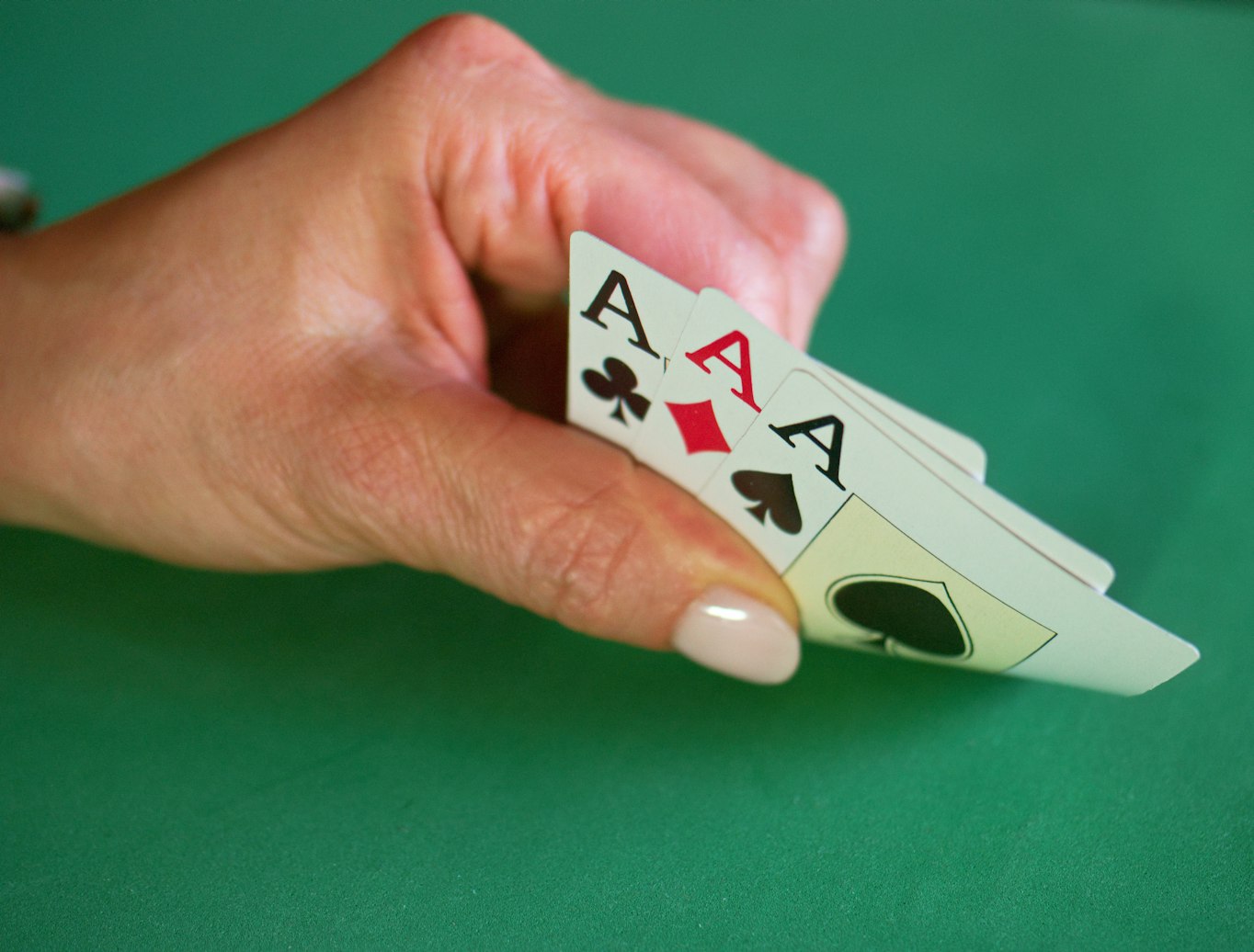
Your approach should also include varying your bluffing frequency and style. If you find yourself bluffing too often, opponents may catch on and start calling your bluffs more frequently. Instead, mix it up by blending legitimate betting with strategic bluffs; this unpredictability keeps your opponents guessing and enhances your overall poker game. With practice, you can develop a keen sense of when to bluff in a manner that feels natural both to you and to your opponents.
Reading Your Opponents
Reading your opponents is a critical skill that can significantly bolster your bluffing strategy. This skill involves observing not only the cards they play but also their behaviors, tendencies, and emotional reactions throughout the game. Pay attention to the patterns established during the game; are they risk-averse, or do they take daring chances? Understanding these behavioral traits will help you decide when is the optimal moment to bluff and who to target with your deception.
Non-verbal cues also offer a wealth of information. Subtle changes in posture, breathing patterns, or even eye movements can indicate confidence or weakness in an opponent. For instance, if a player who has been consistently aggressive suddenly becomes quiet and reserved, this may signal that they have a weak hand and could be susceptible to a well-placed bluff. Developing the skill to pick up on these cues requires patience and experience, but over time, this insight will become an invaluable component of your poker toolkit.
Moreover, keep in mind that emotional states can heavily influence decision-making at the poker table. A player who has just lost a significant hand may be more prone to making poor decisions in subsequent rounds. Such players might be frustrated or eager to recover their losses, making them excellent targets for a bluff. Conversely, a player on a winning streak may feel invincible and be less likely to fold, no matter the situation. By understanding these emotional currents, you can adjust your approach and capitalize on the opportunities they present.
Common Mistakes in Bluffing
Even seasoned players can fall prey to common pitfalls involved in bluffing. One of the most significant mistakes is over-bluffing, where a player attempts to bluff too frequently due to a misunderstanding of their opponents’ tendencies. If you bluff on every occasion, sooner or later, your opponents will catch on and call you out. It’s important to maintain a balance, utilizing your bluffs strategically to ensure they remain effective and unpredictable.

Another frequent error is failing to consider the context of the game. Bluffing without an understanding of the community cards or your opponents’ likely hands can lead to disastrous outcomes. For example, if the flop presents three cards of the same suit, and a player bets heavily on that round, calling their bluff may be more likely if you are holding a single high card of that suit. Always analyze the situation carefully before deciding to bluff, ensuring your story holds up under scrutiny.
Finally, misreading the table dynamics can result in poorly timed bluffs. A player might successfully bluff one table but fail dramatically at another due to different dynamics or player tendencies. Understanding the flow of the game and adapting to the specific circumstances at play is crucial. Paying attention to how other players react can inform your decision-making process, making your bluffs much more effective when executed at the right time.
Expanding Your Poker Knowledge Base
To truly master the art of bluffing, it’s crucial to continuously expand your poker knowledge. Engaging with various resources, such as books, online articles, and instructional videos about poker strategies can provide new insights and techniques that may not have been considered before. Understanding the math behind poker, including pot odds and expected value, can also enhance your decision-making, making your bluffs more calculated and rational.
Additionally, participating in poker forums or joining local poker clubs can provide invaluable experiences and perspectives. Engaging with fellow enthusiasts allows for the sharing of strategies, experiences, and advice. Practical discussions about hands played, including successful and unsuccessful bluffs, can lead to collective learning. Being part of a poker community encourages growth and keeps you engaged, improving your skills in real time.
Ultimately, never underestimate the benefits of practice. Regularly participating in games, whether in person or online, gives you the opportunity to implement your burgeoning skills and learn from real-time experiences. The more you play, the better you’ll become at both reading your opponents and executing your bluffing strategies effectively. Consistent practice will help you internalize various tactics, making them second nature when it’s your turn to shine at the poker table.